
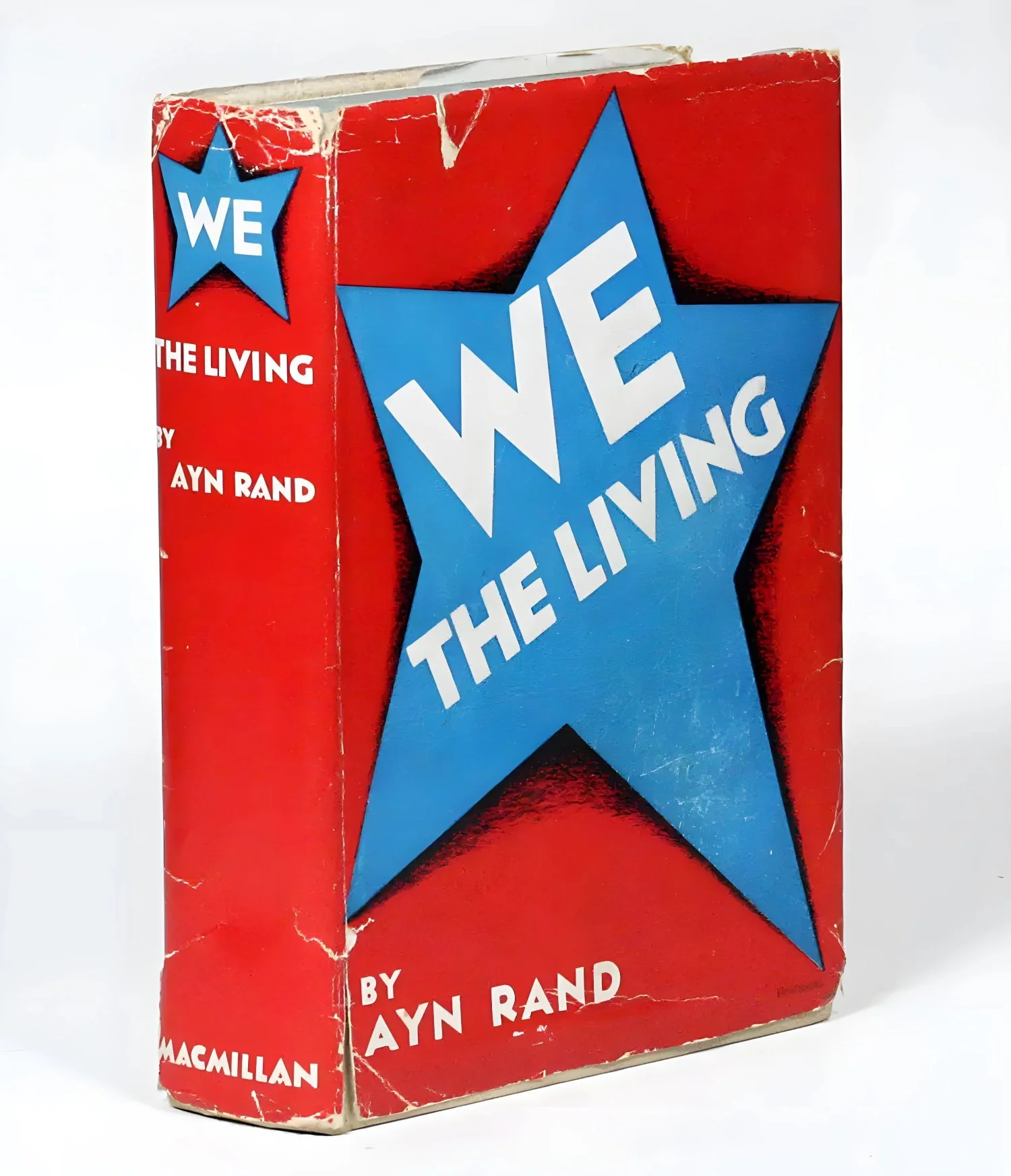
We the Living (1936)
From the locked closets of New Delhi to the industrial gloom of Petrograd, author Sheena Arora explores the book that profoundly influenced her: Ayn Rand’s We the Living. Learn why the "Warrior in the Boxcar" continues to be the definitive symbol of the rebellious right to simply live.
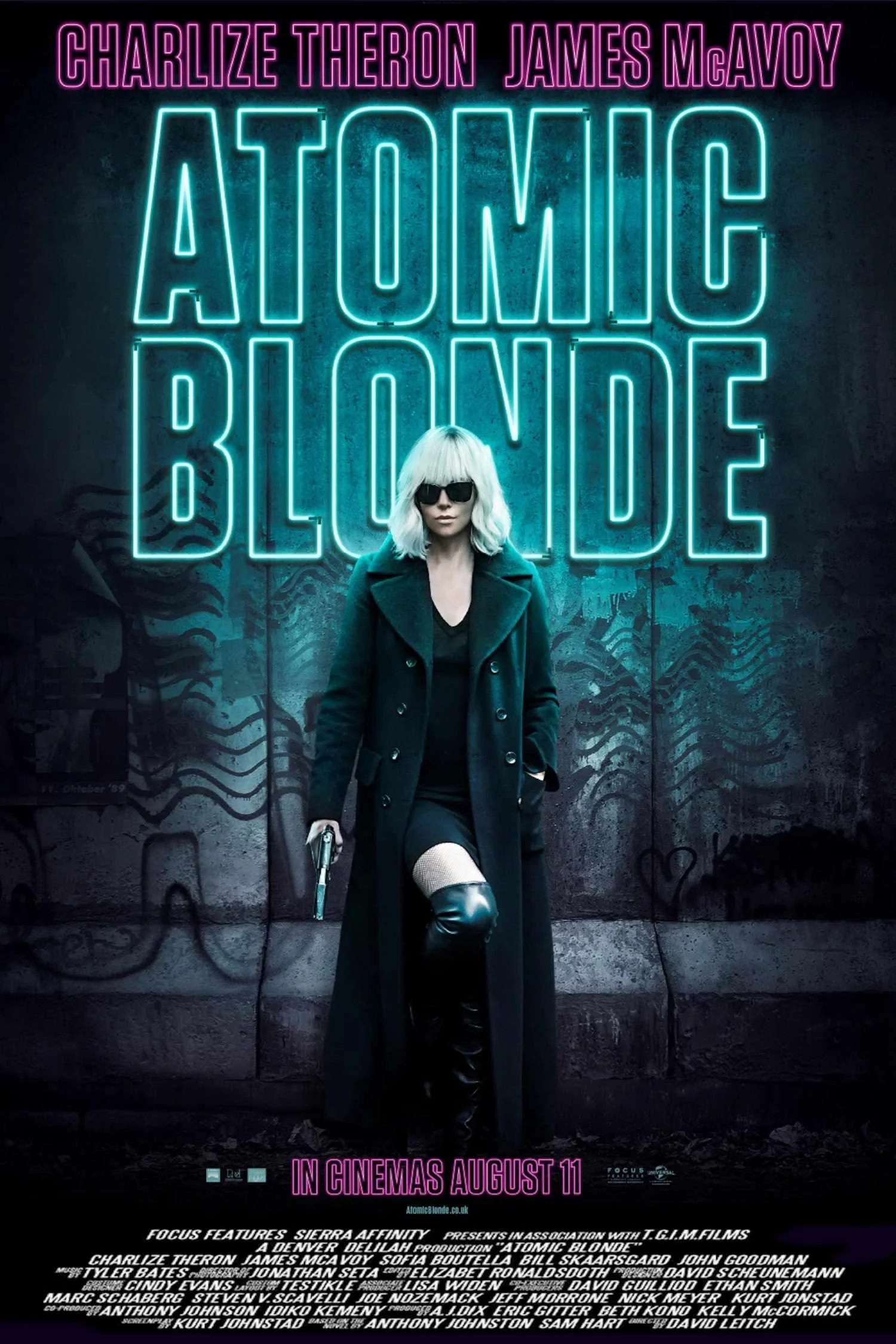
Atomic Blonde (2017)
A garter belt instead of suspenders; a stiletto instead of a soul. Author Sheena Arora analyzes why Atomic Blonde failed to become the female "Bourne," offering a masterclass in style while overlooking the depth of character.
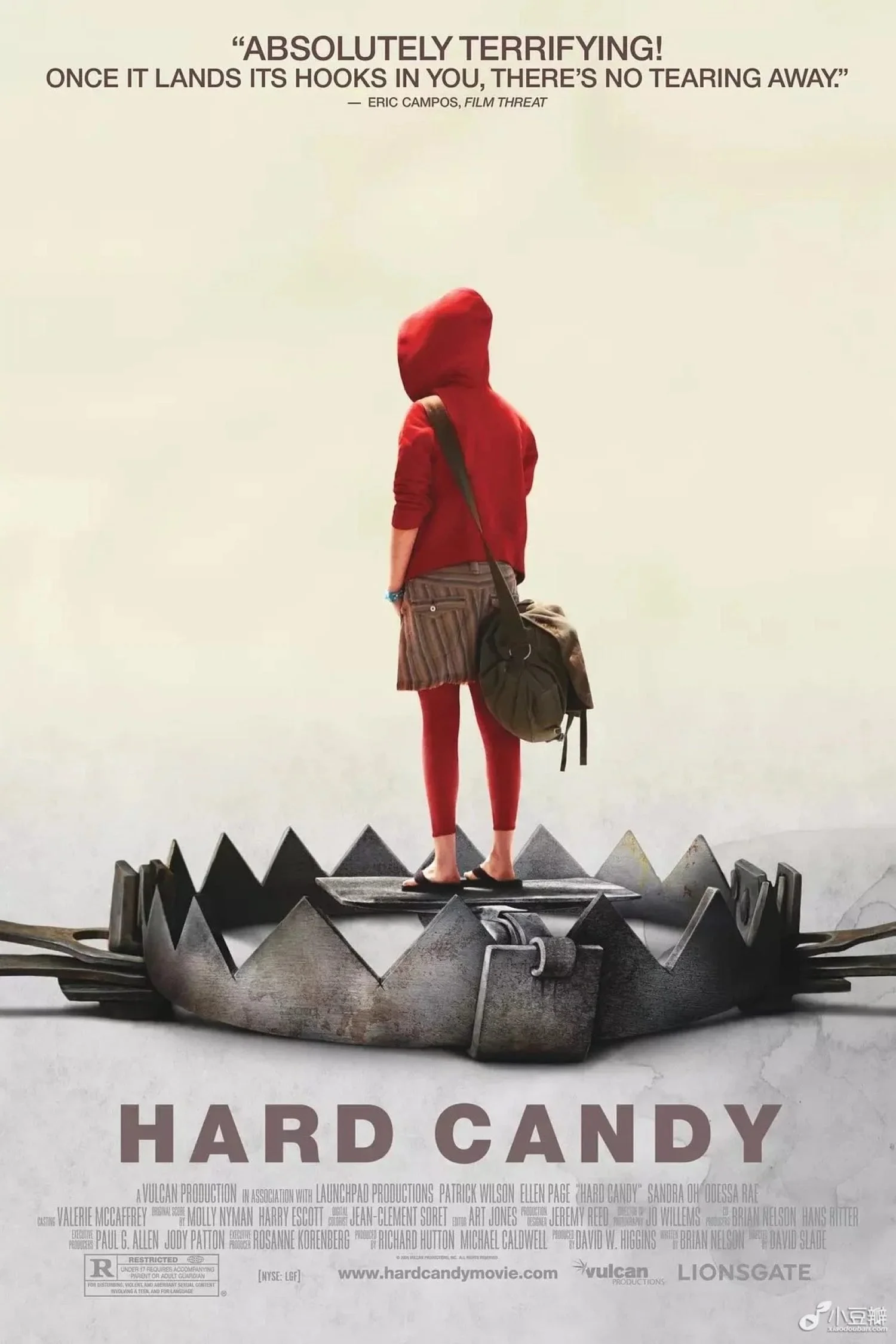
Hard Candy (2005)
Years later, it still resonates. Sheena Arora analyzes why Hard Candy continues to be a benchmark in psychological tension, technical innovation, and subverting the "predator" trope. Learn how the architectural set design and soundscapes craft a nightmarish experience in vivid red and yellow.
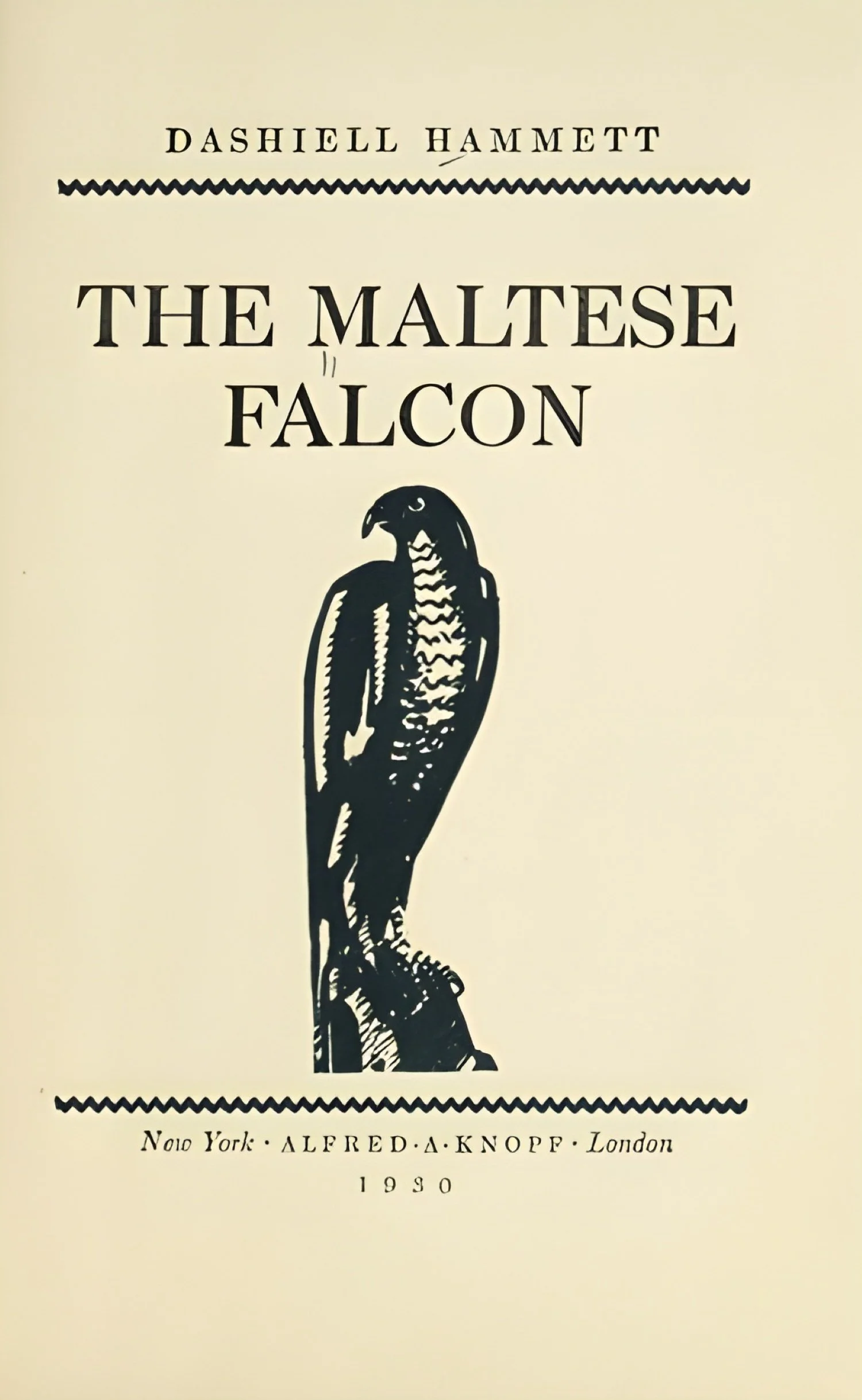
Sam Spade
Is a punch truly more impactful than a psychological "twist"? Author Sheena Arora examines why Dashiell Hammett’s Sam Spade stands out as one of the most aggressive characters in literature—without ever shedding a drop of blood. Uncover the influence of psychological drama.
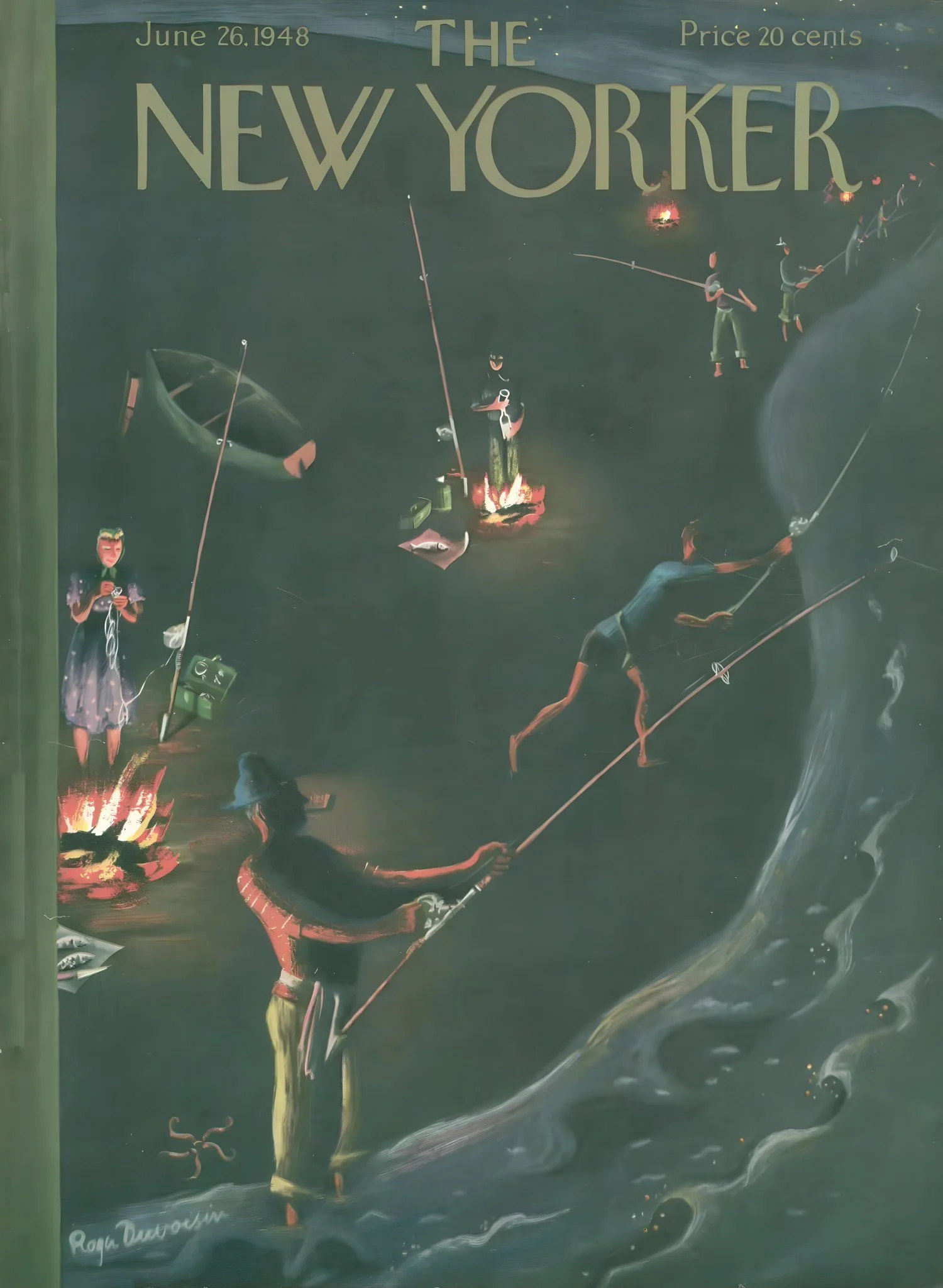
The Lottery (1948)
Why do the children collect stones? Author Sheena Arora analyzes the disturbing symbols in Shirley Jackson’s masterpiece, from the tradition's coffin to the gendered hierarchy of the draw. Find out what "The Lottery" uncovers about our own hesitations to change.
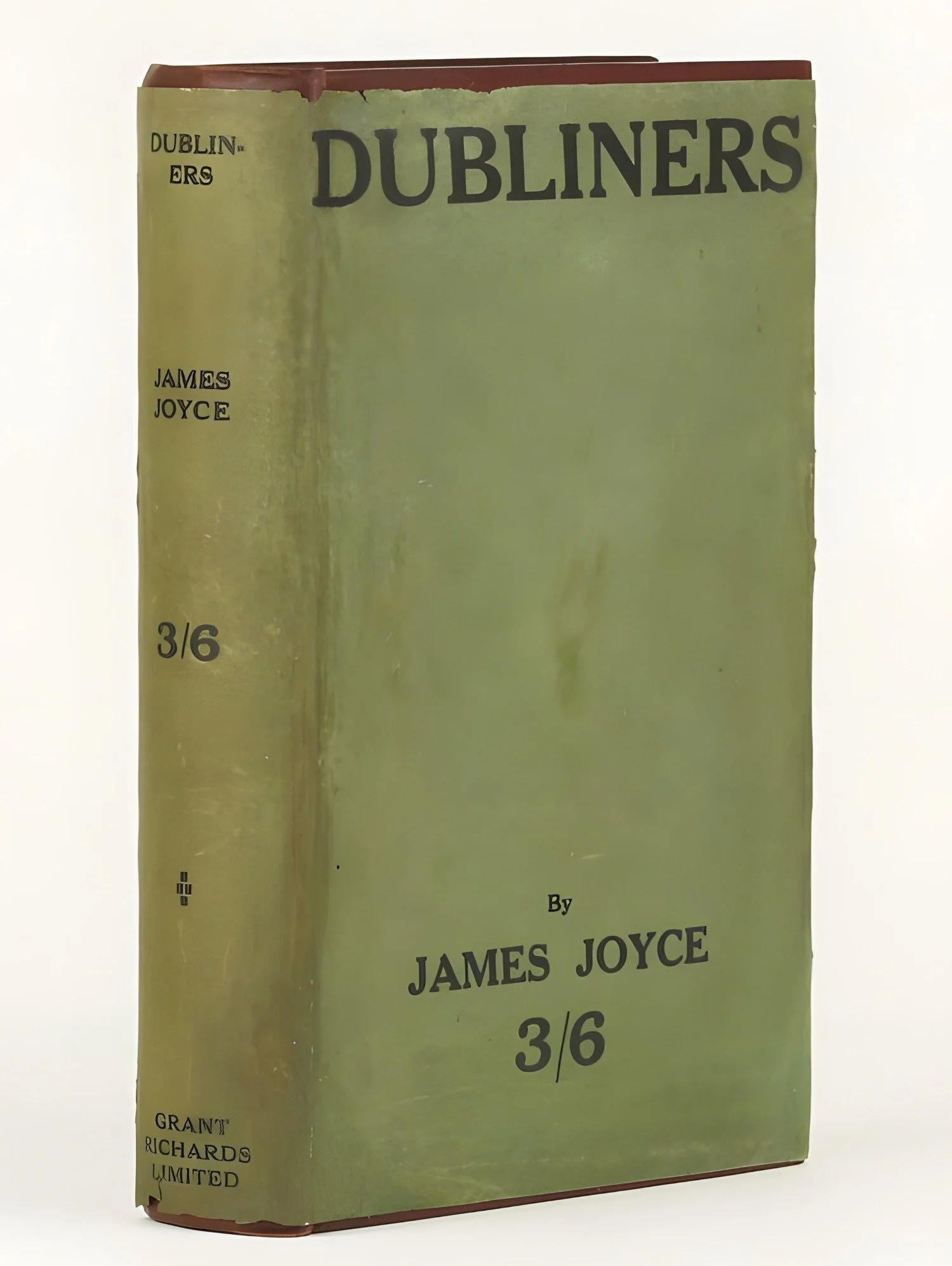
Araby (1914)
James Joyce’s "Araby" is a slow-motion nightmare of anticipation. Author Sheena Arora explores the "bitter epiphany" of the Dublin boy and the painful gap between our exotic hopes and the rain-soaked reality of exile.
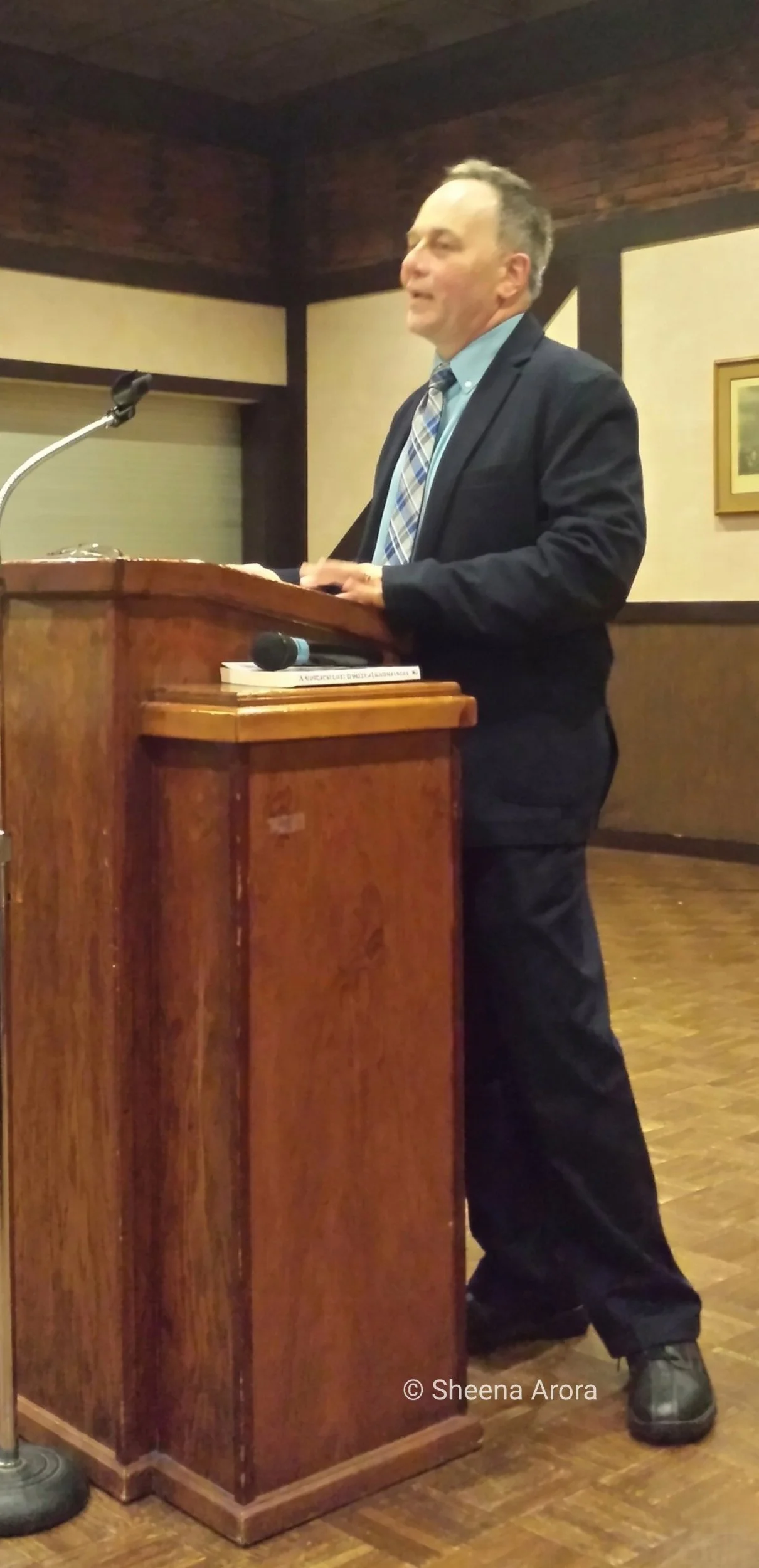
Honor Your Truth
"Don't put lipstick on a pig." Author Sheena Arora deconstructs a masterclass in memoir from SF Sheriff’s Captain Kevin Fisher-Paulson. Discover the "Ten Rules for Memoir" and why the truth of your story is found in the shadows of a dirty notebook.