
We the Living (1936)
The Warrior in the Boxcar had the greatest impact on my life.
Growing up in New Delhi when landline phones were rare and the internet was unheard of, I found solace in reading as an escape from physical and emotional abuse. Late at night, when my family was asleep, I would secretly take out paperbacks from my father's locked closet to read. By fifteen, I had explored works by Jeffrey Archer, Jackie Collins, Sidney Sheldon, and others.
While each book offered something special, only a few significantly shaped my perspective. Jonathan Livingston Seagull helped me through personal challenges, whereas The Silence of the Lambs terrified me so much that I avoided the author for years. A paperback of Atlas Shrugged, purchased at a Bombay railway station, made me realize I was not alone. Yet, the book I strive to live by, breathe, and emulate is Ayn Rand’s 1936 debut novel, We the Living.
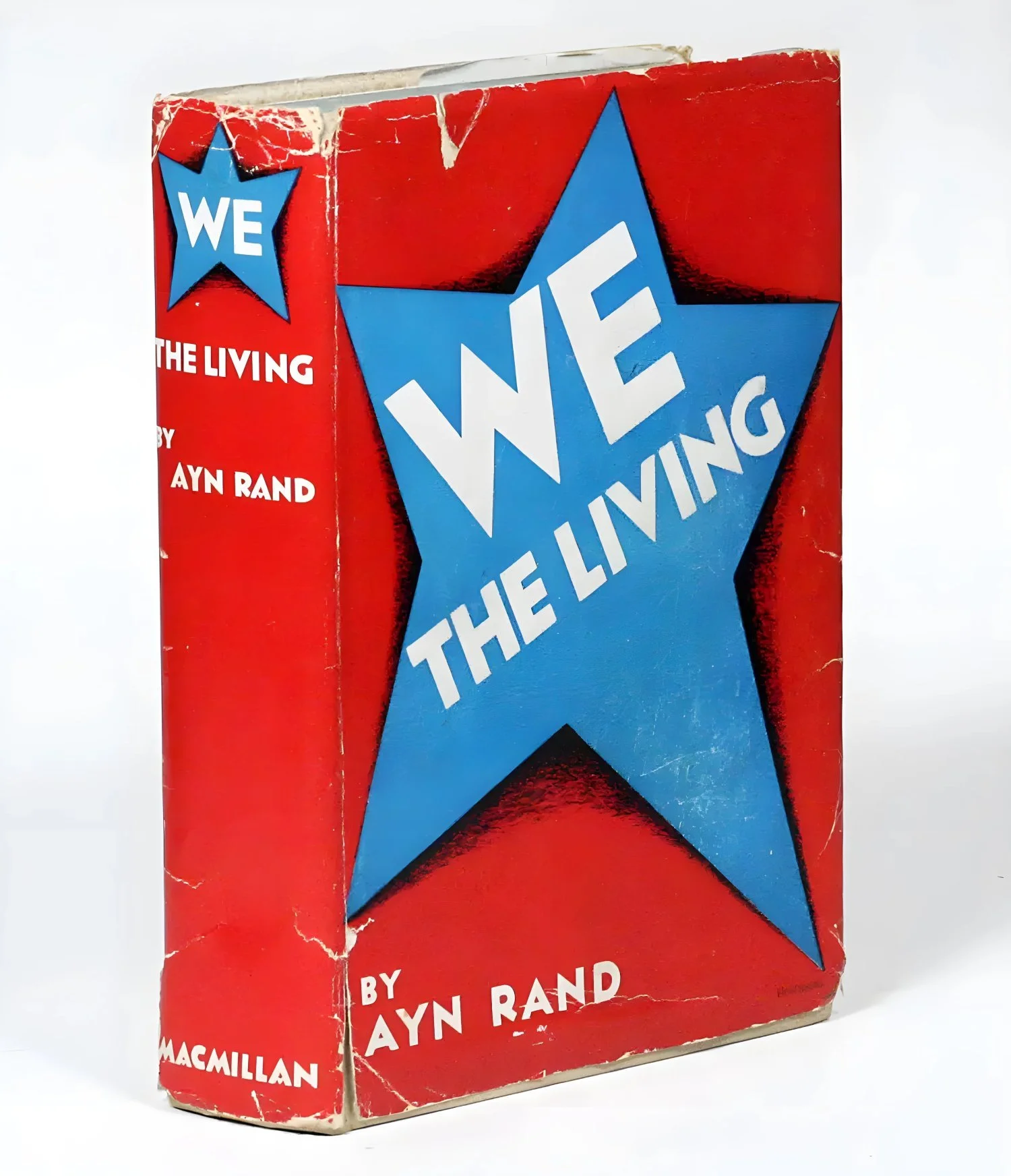
I yearned to be Kira. I desired her confidence, grace, and steadfast courage.
Set amidst the stark, industrial scenery of 1920s Soviet Russia, the novel follows three individuals caught in the machinery of totalitarian control. Andrei, a devoted communist and secret police agent, plays a crucial role in building the system that ultimately oppresses him. Leo, once an aristocrat, becomes a free spirit driven solely by the urge to escape. Kira, from a bourgeois background, searches for something deeper—she longs to truly live.
Andrei embodies the classic tragic hero—honest, selfless, and profoundly lonely. He lives in poverty to save money, which he gives to Kira out of love. He is aware she does not love him and knows she was using that money to help Leo. There is a deep, heartbreaking nobility in a man sacrificing himself for a love that will never be reciprocated.
Though I admired Andrei’s character, I yearned to be Kira. I desired her confidence, grace, and steadfast courage. I felt a strong kinship with her then, and that feeling persists, especially because of her distinct desire to remain separate from a movement. Her response to Andrei's question about why she won't join the new Russia perfectly encapsulates my feelings.
“I don’t want to fight for the people, I don’t want to fight against the people, I don’t want to hear of the people. I want to be left alone—to live.”
To understand why this book stays with me, just read the beginning. Ayn Rand describes a Petrograd permeated with the scent of carbolic acid, under a sky as gray as dust that has accumulated over many years. Into this gloom enters Kira:
“Kira Argounova entered Petrograd on the threshold of a box car. She stood straight, motionless, with the graceful indifference of a traveler on a luxurious ocean liner... She had a calm mouth and slightly widened eyes with the defiance, enraptured, solemnly and fearfully expectant look of a warrior who is entering a strange city and is not quite sure whether he is entering it as a conqueror or a captive.”
When I reflect on my life journey that brought me to the US, I picture myself in that box car. Like Kira, I remain a warrior, constantly navigating and fighting for the fundamental, rebellious right to simply live.
📸Author Feed
✍️Writing Room
🫂Connections