
The Lottery (1948)
The Symbolism
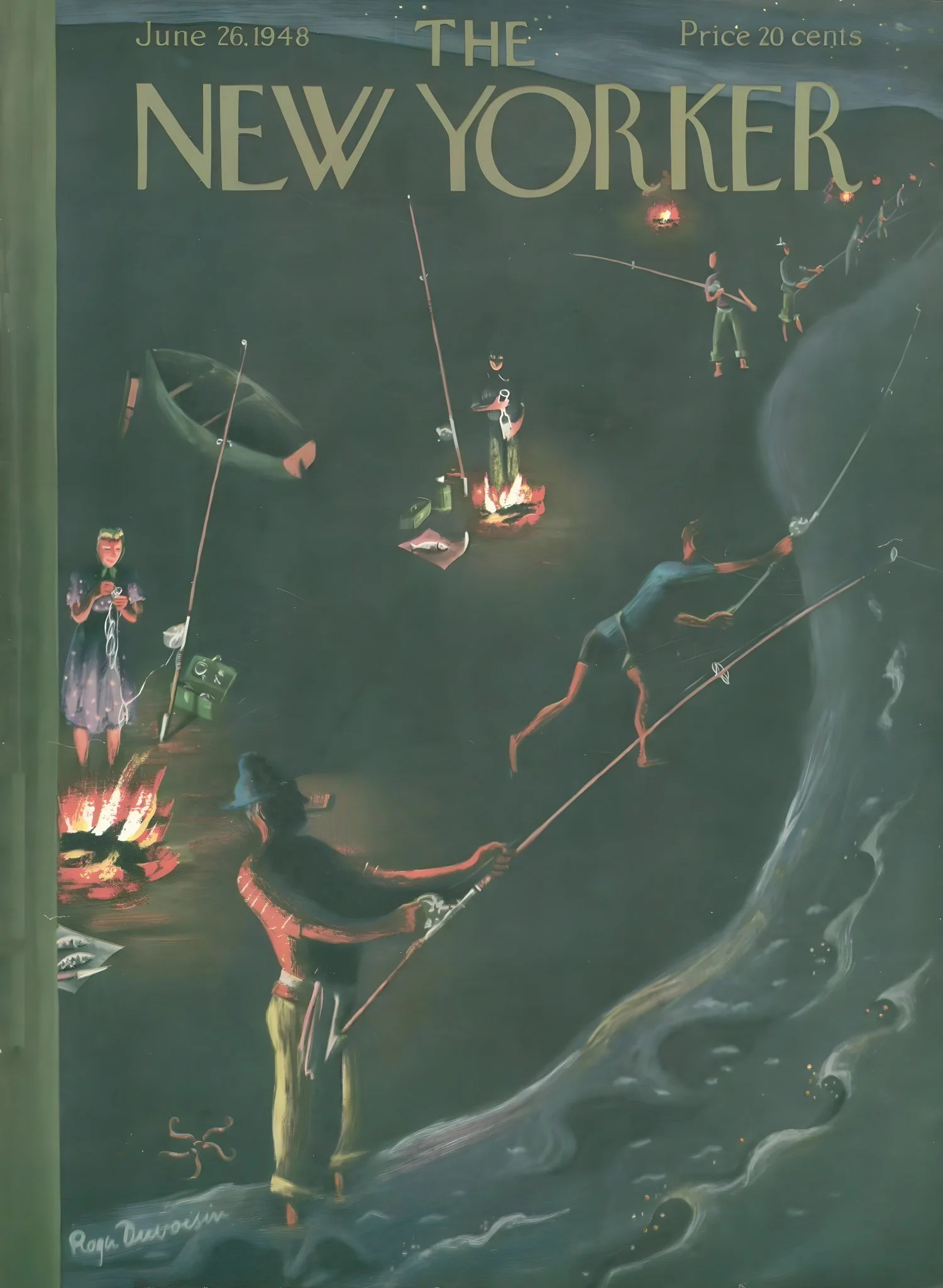
Shirley Jackson's "The Lottery" was initially published in The New Yorker on June 26, 1948. The narrative follows a simple structure, but Jackson employs misdirection to craft a subtle trap, making the clues and symbols meaningful once the ending is uncovered. She transforms the mundane village scene, with its cheerful customs, into a disturbing nightmare.
Many discussions revolve around the symbolism in "The Lottery". I have identified a few.
The black wooden box is the coffin of tradition.
The black box represents the central element of the story, embodying a persistent void of pain, both physically and figuratively, as a coffin for the villagers’ humanity. Its black color signifies negative traits like evil, wickedness, and dishonor. Initially seen as a mysterious object, it gradually transforms into a symbol of death.
Most importantly, the box is peeling and stained, symbolizing the villagers’ persistent resistance to change. It serves as a poignant reminder of our own reluctance to abandon old traditions, whether it's something small, like a hairstyle, or something significant, like a tax system.

"The villagers’ ability to stone a neighbor in the morning and dance in the same square in the evening is the banality of evil."
The slips of paper symbolize lives caught in the breeze.
The white slips of paper symbolize the villagers' fragile lives. When Mr. Summers drops the unchosen papers, the breeze snatches them and lifts them away, creating a haunting image of how easily a life can be discarded in an instant.
The black spot on the paper.
In a joyful lottery, you'd anticipate a golden ticket or a smiley face. But in “The Lottery,” the black mark represents the final grade on a report card of death.
The hierarchy of the draw representing the male proxy.
The village community is strictly divided by household, with only the male head allowed to draw the lottery. This arrangement exposes two uncomfortable truths. First, 'The Burden of the Proxy,' where women suffer the consequences of their male relatives' choices or luck, since men always have the final say. Second, women’s unquestioning obedience reflects how society often follows government and leadership decisions without question. We don't challenge the process; we simply accept the fate assigned to us.
The equality of the stone.
The most brutal aspect of “The Lottery” is how the stoning is completely egalitarian. In the square, social class doesn't matter. Mr. Summers, who manages the coal business, faces the same danger as the poorest laborer. Age doesn't provide shelter either. Little Dave, who is too young to grasp the ritual, must draw together with Old Man Warner, participating for the seventy-seventh time. In the end, in the crowd, everyone is on the same level.
The village square is the juxtaposition of joy and gore.
Jackson sets the story in the village square—the same location where the spring festival, nativity scenes, and dances take place. The villagers' ability to stone a neighbor to death in the morning and then use the same space for a dance in the evening serves as a powerful commentary on the banality of evil.
The nomenclature of death.
Jackson uses aptronyms effectively. Mr. Summers seems to represent carefree happiness but oversees the ritual, while Mr. Graves literally helps bury the villagers. Old Man Warner truly lives up to his name as a "warner" of traditional ways; he is so devoted to tradition that he might gladly live in a cave if the lottery continues.
The institutionalized child.
The most haunting image for me is children gathering stones at the start of “The Lottery.” From a young age, they are conditioned to continue their parents' brutal traditions. This institutionalization guarantees the cycle of violence remains unbroken. As the saying goes: "Lottery in June, corn be heavy soon." A human sacrifice for a greater harvest—a bleak, deliberate exchange that children are taught to accept before they can even read.
📸Author Feed
✍️Writing Room
🫂Connections