
Araby (1914)
The Bitter Epiphany by James Joyce
A memoir professor once said I live in self-exile, similar to James Joyce. I nodded, pretending to understand, but I knew nothing about the author. Naturally, I then went to the library to read Dubliners.
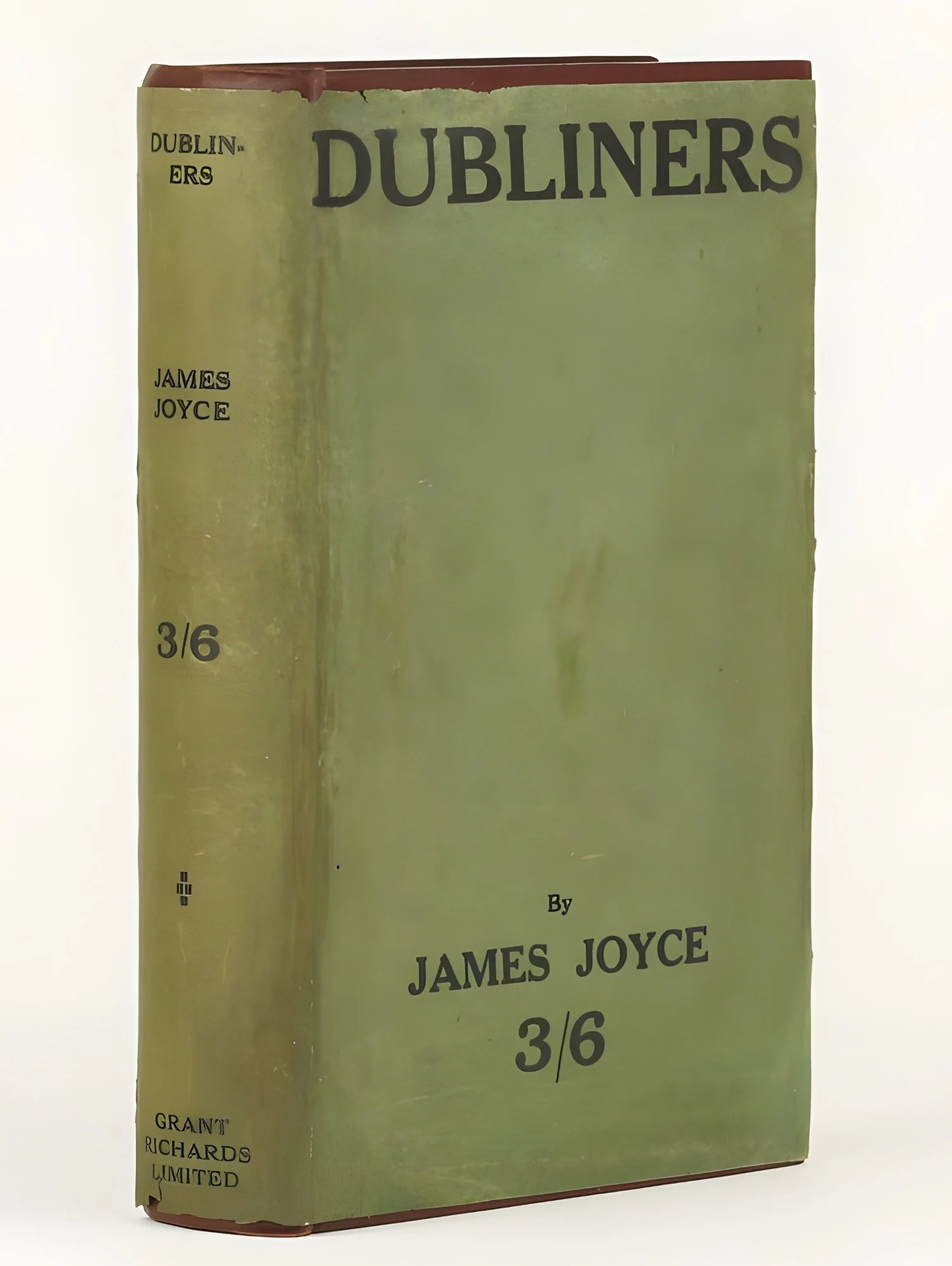
“Exile isn't only about where you live, but also about the gap between your hopes and reality.”
Joyce’s stories often feel like they end abruptly, lingering in a moment of startling, uncomfortable insight. One example is "Araby,” which explores the end of a dream and the harsh onset of adulthood.
The story centers on a young boy living in a house on a dead-end street in North Dublin, once inhabited by a priest who died in the back drawing room. The environment is bleak, but the boy’s inner life is lively, fueled by a silent, intense crush on his friend’s older sister. However, his shyness keeps him paralyzed. He observes her secretly from behind his window blinds and follows her from a distance to school, viewing his fascination as a kind of religious quest. One rainy evening, she finally approaches him, asking if he plans to visit "Araby," a traveling bazaar that offers exotic goods from the East. She cannot go herself because she is committed to a convent retreat.
Lost in his chivalrous thoughts, the boy vows to travel to Araby and bring her a gift. But the boy’s Saturday turns into a slow-motion nightmare of anticipation.
His uncle, arriving home late and intoxicated, forgets about the boy’s plans, causing delays. By the time the boy gathers a few coins and catches a train, it's nearly 10:00 p.m. When he finally reaches the bazaar, the illusion of an exotic paradise disappears. Instead of an Arabic wonderland, he finds a dark, somber hall that resembles a church after a service.
The stalls are closing, and the people he meets are not exotic travelers but local English merchants chatting about trivial topics. The boy gazes at a stall displaying simple tea sets and vases, and suddenly understands: his quest was an illusion. The "Araby" he envisioned was nonexistent, and the gift he promised would have been a hollow gesture.
Joyce concludes the story with the boy standing in darkness, his eyes filled with anguish and anger. His frustration isn't solely due to the shops being closed; he's also angry at himself for thinking that a grim, rain-soaked Dublin could ever provide the Eastern magic he longed for.
Much like Joyce, the boy realizes exile isn't only about where you live but also about the gap between your hopes and reality. This feeling epitomizes the loneliness I experience in my exile.
📸Author Feed
✍️Writing Room
🫂Connections