
The Vidocq Methodology
Science from the Underworld
June 12, 2016
François Eugène Vidocq possessed a unique arsenal of skills: he was a master of disguise, a formidable swordsman, a gifted forger, and a keen observer of the human condition. However, his most significant advantage was his intimate understanding of the criminal psyche. By applying his own illicit expertise to the investigation, he effectively pioneered modern detective work.
Most of Vidocq’s early caseload involved the pursuit of petty thieves and political subversives. To manage these, he pioneered the “French method” of investigation, training his operatives in undercover techniques and the art of the legend. While these methods are now staples of law enforcement, they were revolutionary in the early 19th century. He also introduced the concept of the plainclothes detective, arguing that uniforms served only to intimidate the innocent and alert the guilty. By blending into the Parisian crowds, his officers could gather intelligence without detection.
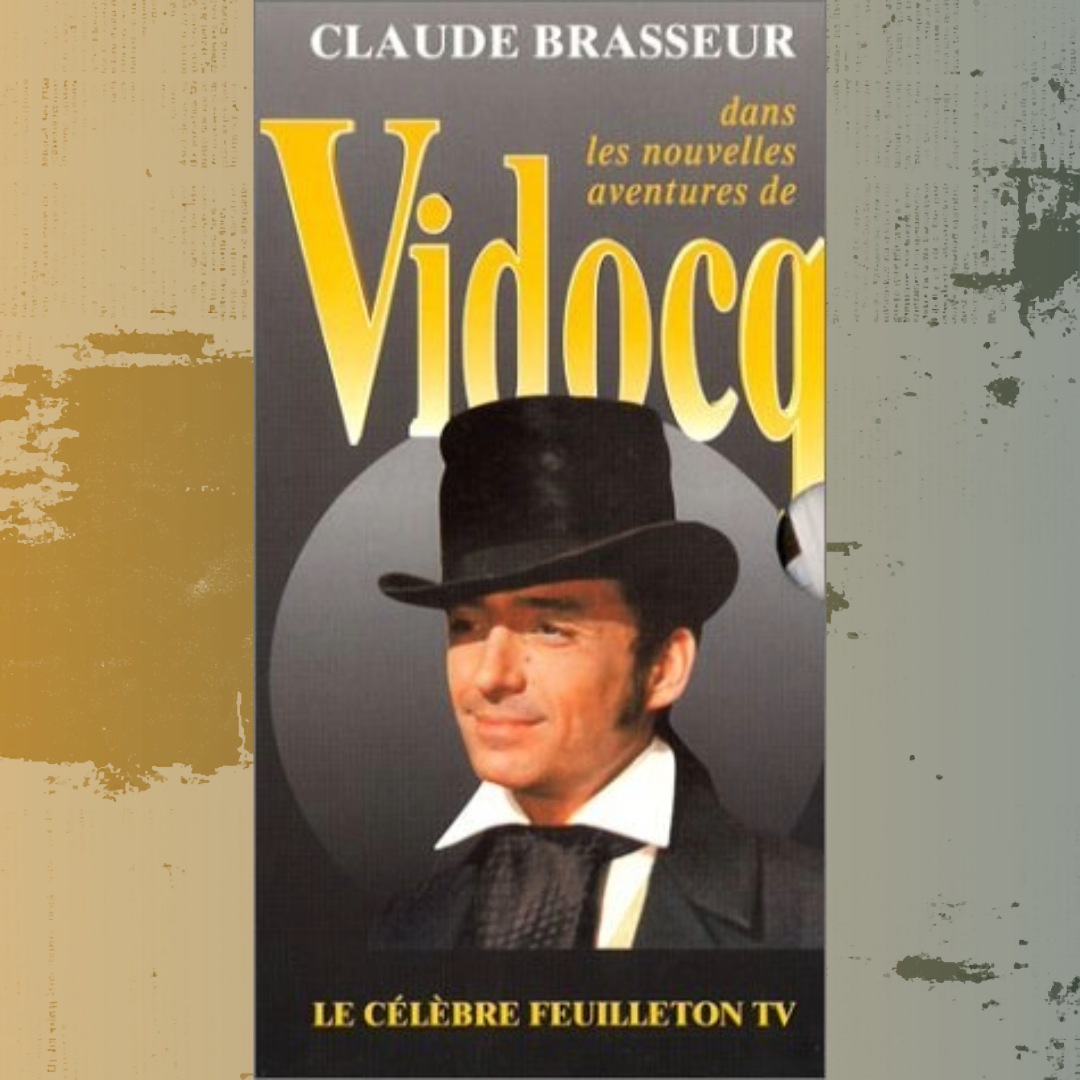
“Vidocq was the first to recognize that most criminals use the same techniques in most of their crimes—a signature of the criminal mind.”
Recognizing that criminals operated through aliases and word of mouth, Vidocq established the first criminal database. He began meticulously documenting each suspect’s physical descriptions, distinguishing marks, prior convictions, and modus operandi—the theory that a criminal’s “method of operation” is as unique as a signature.
His contributions to forensics were equally pioneering:
Impression Evidence: After finding a footprint in a garden during a burglary investigation, Vidocq realized that matching a boot to a print was not enough for court. He started using plaster of Paris to make casts of footprints, preserving the evidence for objective analysis.
Forensic Ballistics: During a murder investigation, Vidocq conducted what is considered the first basic ballistics test. By retrieving bullets from a victim’s body and comparing them directly to the barrel of a suspect’s flintlock pistol, he established a physical link between the weapon and the crime.
Anti-Forgery Technology: Drawing on his past as a forger, Vidocq funded the development of indelible ink and unalterable bond paper, both of which he patented to protect his commercial interests.
Handwriting Analysis: Although some sources credit Vidocq with inventing forensic handwriting analysis, there is limited historical evidence to support this claim beyond isolated reports.
Vidocq’s influence persists into the 21st century through The Vidocq Society. Founded in 1990 by William Fleisher (a former FBI agent), Richard Walter (a forensic psychologist), and Frank Bender (a forensic sculptor), this Philadelphia-based think-tank focuses on solving “cold case” murders. Known as “Vidocqians,” they continue to apply the principles of rigorous deduction and forensic curiosity that their namesake pioneered centuries ago.