
The Genesis of a Detective
The Ruparel College Case.
July 24, 2016
Rajani Pandit was a student of Marathi literature at Ruparel College, Mumbai, when she first exercised the investigative instincts that would define her career. The catalyst was the “odd behavior” of a classmate—a young woman from a respectable family who had begun associating with a questionable cohort of eight or nine men. In 1983 India, where social mores were strictly conservative and women rarely even wore trousers, her classmate’s sudden involvement in smoking, drinking, and late-night outings signaled a dangerous departure from the norm.
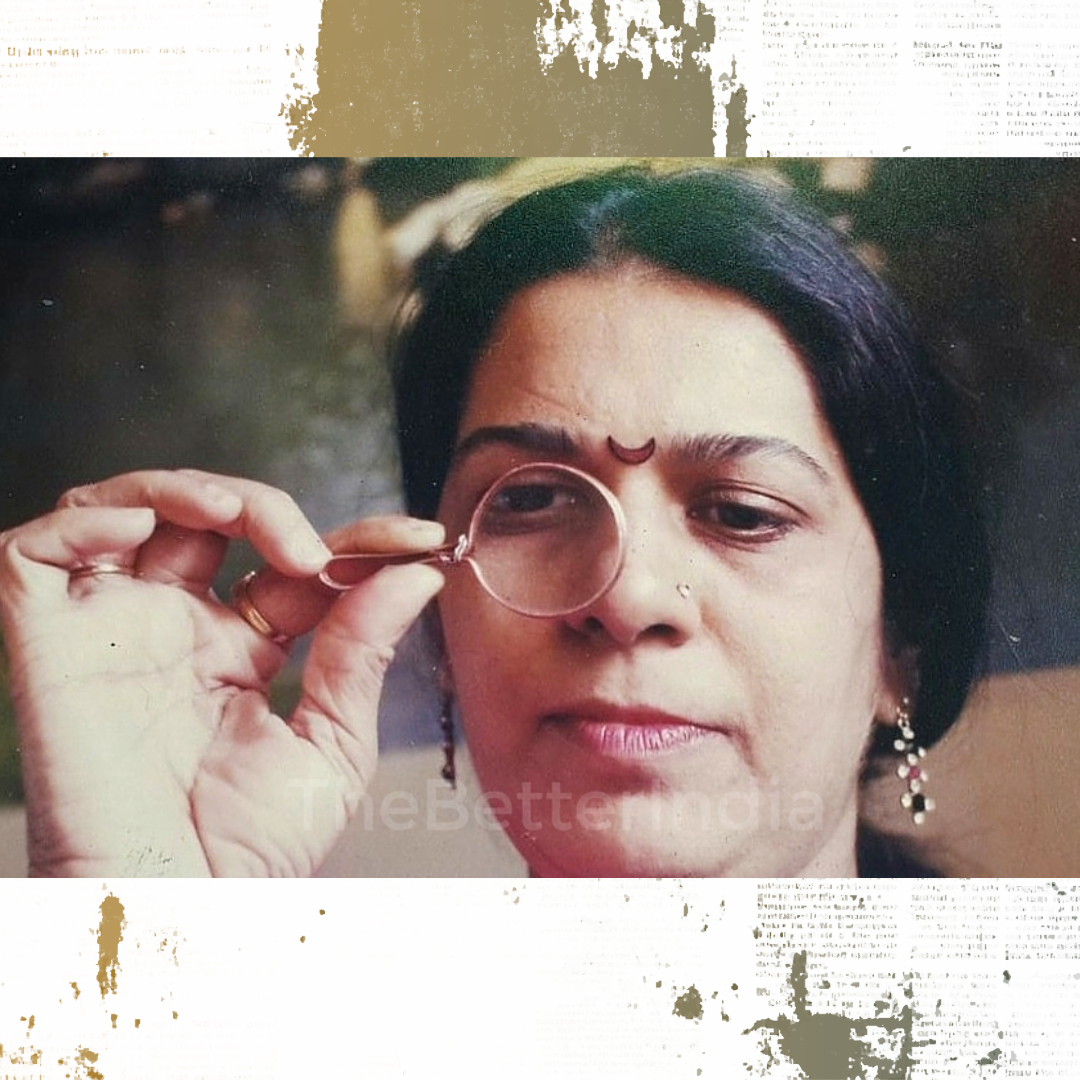
“Stunned by the young student’s precision and tenacity, the father asked Pandit if she was a detective.”
Driven by a protective curiosity, Pandit took it upon herself to uncover the truth behind this transformation. Her investigation reached a tipping point when she trailed her classmate to a local hotel, where she discovered a grim reality: the group of men was prostituting the young woman.
To bridge the gap between observation and intervention, Pandit utilized a blend of charm and deception—traits that would become her professional hallmarks. She convinced the Ruparel College admissions clerk that she was a close friend and intended to send a gift, thereby securing the classmate’s home address.
Armed with both the address and definitive proof of the illicit activities, Pandit confronted the girl’s parents. She went as far as to escort the father directly to the scene of the activity, even personally financing the taxi fare to ensure the truth was witnessed. Stunned by the young student’s precision and tenacity, the father asked Pandit if she was a detective.
That single question provided the validation she required. Following graduation, Pandit spent only three months in a temporary position before leaving the traditional workforce to establish her own firm.