
Undercover in the Shadows
The Maidservant of Juhu
Sept 25, 2016
One of the most harrowing accounts in Rajani Pandit’s career began when she was approached by a client whose brother had been murdered. The case carried significant political weight; the client was a close friend of a former Chief Minister of Maharashtra. Suspicion had fallen on a shocking source: the client believed his own mother had orchestrated the assassination of her son.
Pandit realized that conventional surveillance would never suffice; she needed to infiltrate the domestic sphere. Adopting the guise of a destitute maidservant, she strategically befriended the mother’s two regular masseuses. Through their unwitting assistance, Pandit secured a position as domestic help within the household. Over the course of six months, she meticulously built a rapport with the matriarch, eventually transitioning from a mere servant to a trusted personal caretaker.
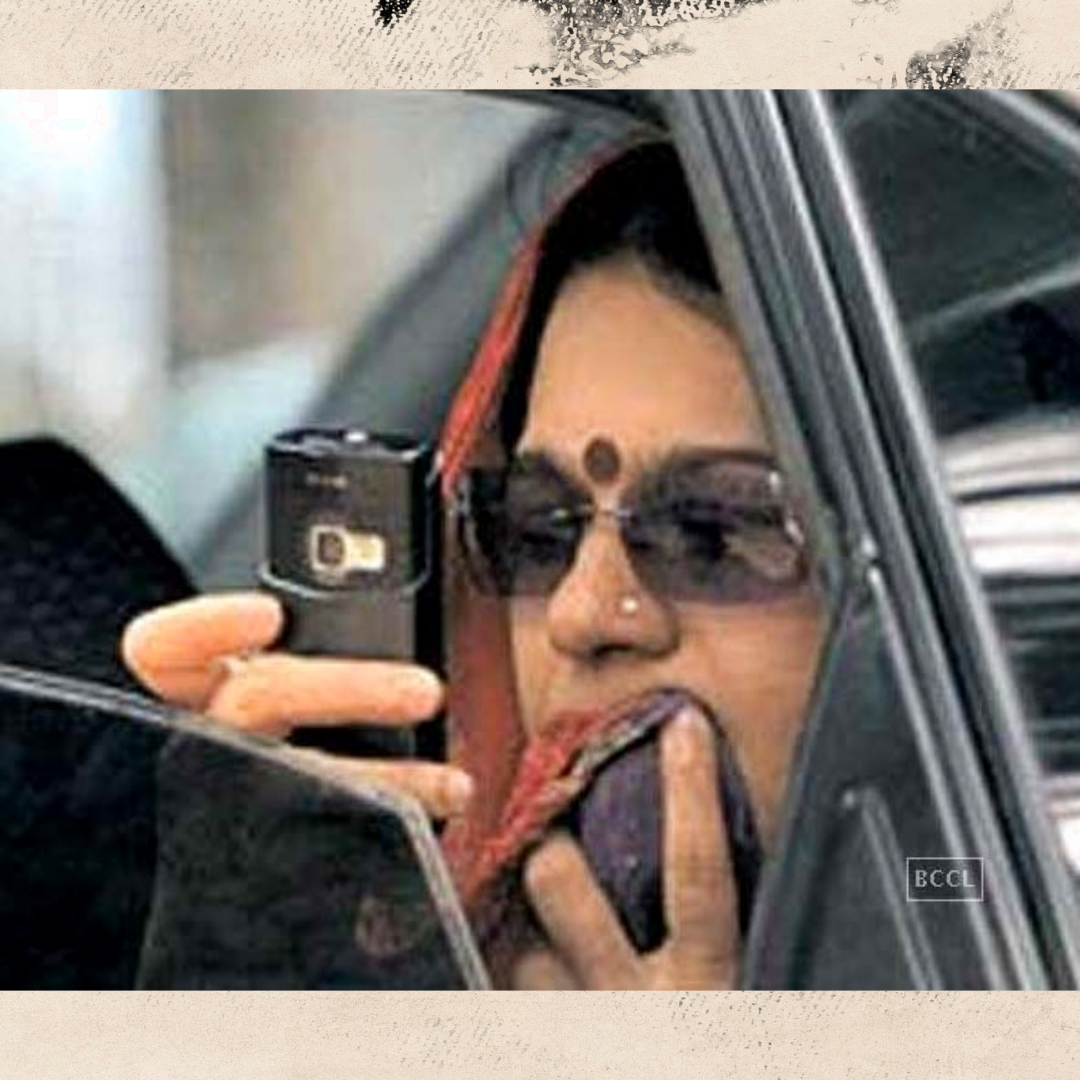
“Pandit orchestrated a desperate escape... intentionally dropping a heavy kitchen knife onto her own foot to secure her exit.”
Operating in an era before mobile technology, Pandit relied on analog ingenuity, concealing tape recorders in various rooms to capture clandestine conversations. Her breakthrough came one evening when she spotted a mysterious man entering the home. Later, while reviewing her recordings, she overheard a heated argument between the mother and this stranger regarding the murder. Pandit realized the man was the hired assassin—a physical match for the eyewitness descriptions.
However, the limits of 1980s technology nearly proved fatal. In a moment of pin-drop silence, a tape reached its end, emitting a sharp, mechanical “beep.” Though Pandit attempted to deflect, the mother’s suspicion was piqued. For three months, the hired killer vanished, and the mother—fearing police intervention—refused to let Pandit leave the premises.
Recognizing this as her final opportunity to secure a conviction, Pandit orchestrated a desperate escape. She intentionally dropped a heavy kitchen knife onto her own foot, causing a deep, profuse wound. Limping to her employer, she insisted on visiting a clinic “located right below the building” (Vasundara). Once outside the home, she sprinted to a phone booth to contact her liaison at the Mumbai police.
This case served as the crucible for Pandit’s career, cementing her reputation as the city’s premier private operative. When asked why a high-profile client would trust a “newbie” female detective with such a volatile case, Pandit’s response was characteristically pragmatic:
“There have been cases of some male detectives using the information they gathered for blackmail, but I haven’t heard of any woman doing it so far. Perhaps that’s why they hired me. Whatever it is, it worked and gave me the break I needed.” (Vasundara)