
The Invisible Threat
Navigating the Perils of the Field
Apr 23, 2017
While India projects an image of a burgeoning modern power with a rapidly expanding middle class, beneath this façade lies a deeply ingrained "rape culture" that presents a constant threat to women in the workforce. Having spent my childhood and five professional years in New Delhi before emigrating to the United States, I experienced firsthand the atmosphere of a city frequently labeled the "Rape Capital." It is impossible to discuss the challenges faced by female detectives without addressing this systemic treatment of women. For a profound examination of this factor, one might consult the documentary India’s Daughter, a film notably banned in India.
In this environment, sexual violence is often wielded as a tool of discipline or dominance, particularly against women who occupy traditionally male spaces. For the female investigator, the primary fear is not necessarily being unmasked by a suspect, but rather being victimized by a stranger while on duty. This pervasive danger remains the central reason Indian families are so hesitant to approve of their daughters, sisters, or wives pursuing a career in private detection.
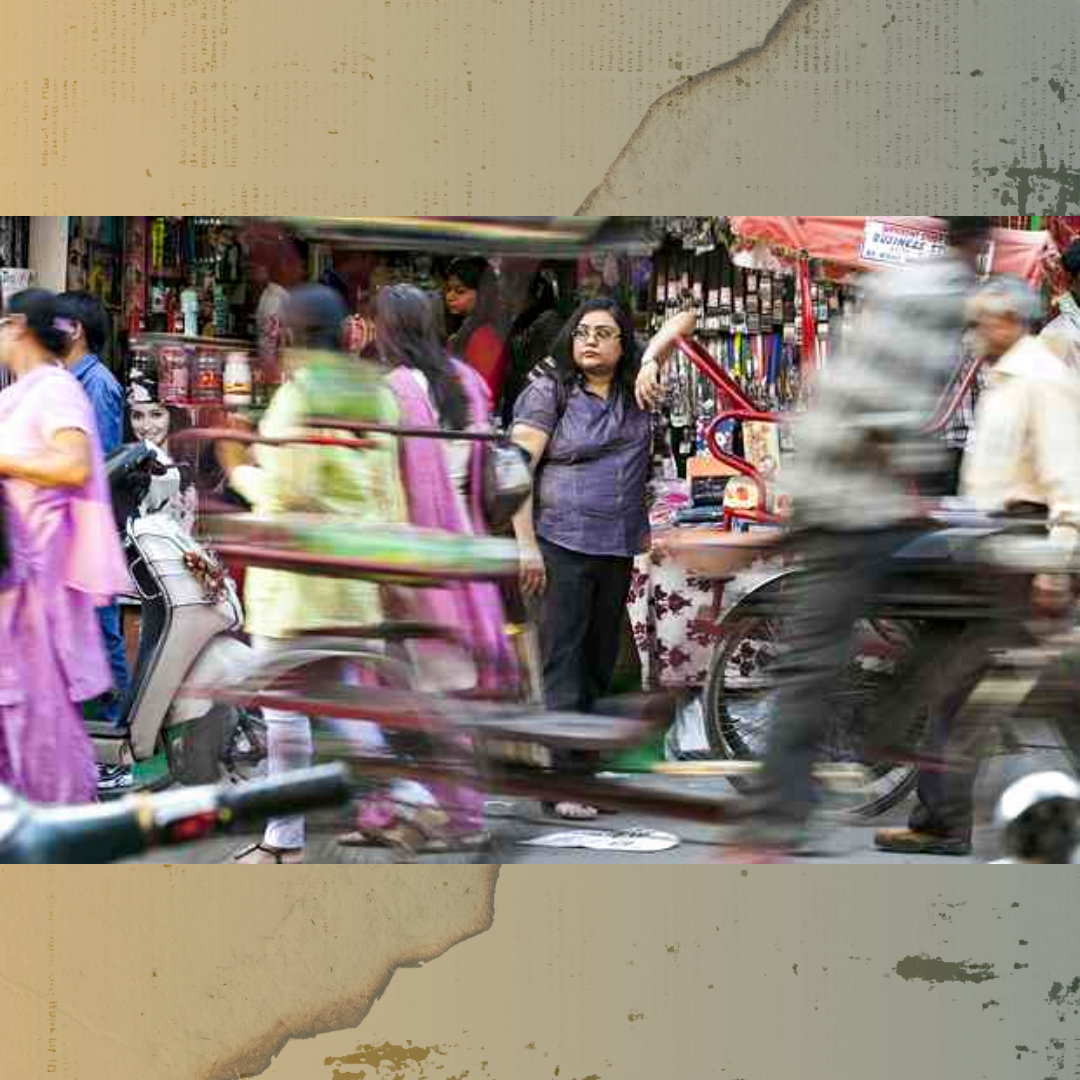
"Indian female detectives are more worried about being raped by strangers when they are on jobs, than being discovered by the person they are pursuing."
Despite these existential threats, the profession continues to attract women precisely because it is one of the few fields with no barrier to entry. It accepts operatives regardless of socio-economic background, language, or age. In a country where a significant percentage of the population lives below the poverty line, yet nearly the same percentage has access to mobile technology, the tools of the trade—a phone and patience—are readily available. The high demand for pre-matrimonial vetting provides a steady stream of freelance work, allowing women to set their own hours and, crucially, decline assignments they deem too hazardous.
The relationship with institutional authority is equally fraught. One might assume that the overburdened Indian police would welcome private assistance, yet female detectives must tread an incredibly thin line. They typically avoid police interaction entirely, as the force is often not only uncooperative but overtly sexist toward female operatives.
To mitigate risk, these women have developed specific tactical maneuvers. Many avoid traveling to unknown locales or different cities; when they must, they operate in pairs for mutual protection. Furthermore, many adopt masculine disguises to blend into the urban landscape. They wear loose-fitting men’s trousers and shirts, cut their hair short, and utilize scooter helmets to obscure their facial features. While some may doubt the efficacy of such tactics, I can attest to their success: for nearly a year, I dressed in men’s clothing with a shaved head, and my gender was rarely questioned.
Ultimately, while many interviewed detectives believe that having female leadership would alleviate their professional struggles, the issue is more structural than managerial. Until the cultural mindset regarding violence against women shifts, the Indian female detective will remain an operative working in the shadows of a constant, invisible threat.